Debbie Castro, Age is a privilege, unless you forget!
Debbie Castro, Age is a privilege, unless you forget!
Debbie Castro, Age is a privilege, unless you forget!
Debbie Castro, Age is a privilege, unless you forget!
Debbie Castro, Age is a privilege, unless you forget!
Debbie Castro, Age is a privilege, unless you forget!
Debbie Castro, Age is a privilege, unless you forget!
Debbie Castro, Age is a privilege, unless you forget!
Debbie Castro, Age is a privilege, unless you forget!
Debbie Castro, Age is a privilege, unless you forget!
Debbie Castro, Age is a privilege, unless you forget!
Debbie Castro, Age is a privilege, unless you forget!
To select, edit, and narrate her father’s photography, albeit with his permission, is an ethical responsibility for the artist Debbie Castro. What started out as a cathartic journey of curiosity about and acceptance of who her father is has given Castro a better understanding of dementia and has offered her the time to feel her way through the many emotions that this disease elicits among those witnessing its toll on a loved one. Castro knew that this process would not be easy, and there were many days when it was complete torture, but the conclusion of this therapeutic practice has been acceptance and a deeper relationship with her dad and family. Age is a privilege, but what if we forget?
This is the central question Castro explores in the ongoing project of the same title, which has developed out of a long practice of exploring mental and physical health, addressing a range of themes, such as vulnerability and control. In this project, she takes a close look at the wide-ranging effects of Alzheimer’s, reflecting on personal life and experiences as a starting point.
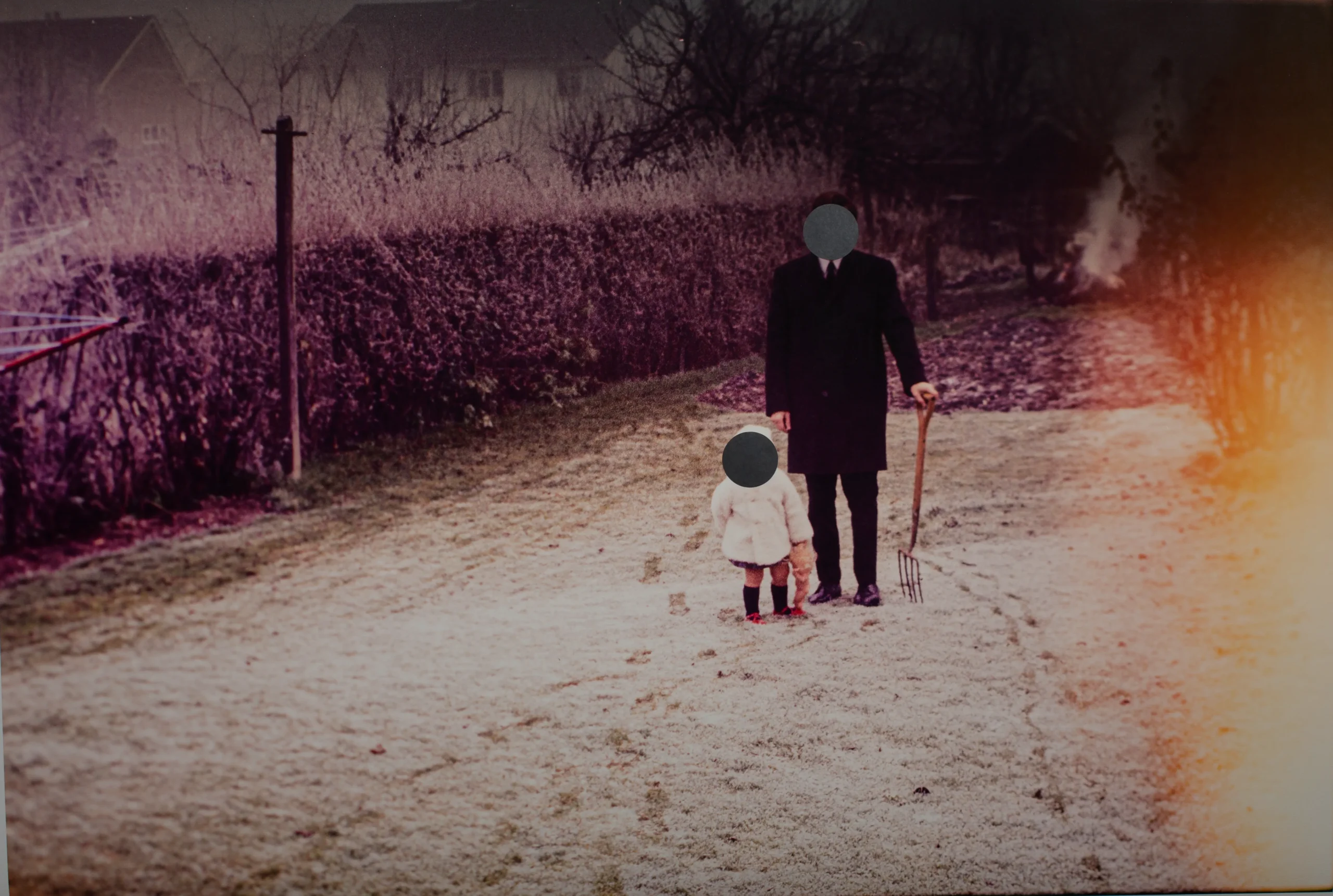
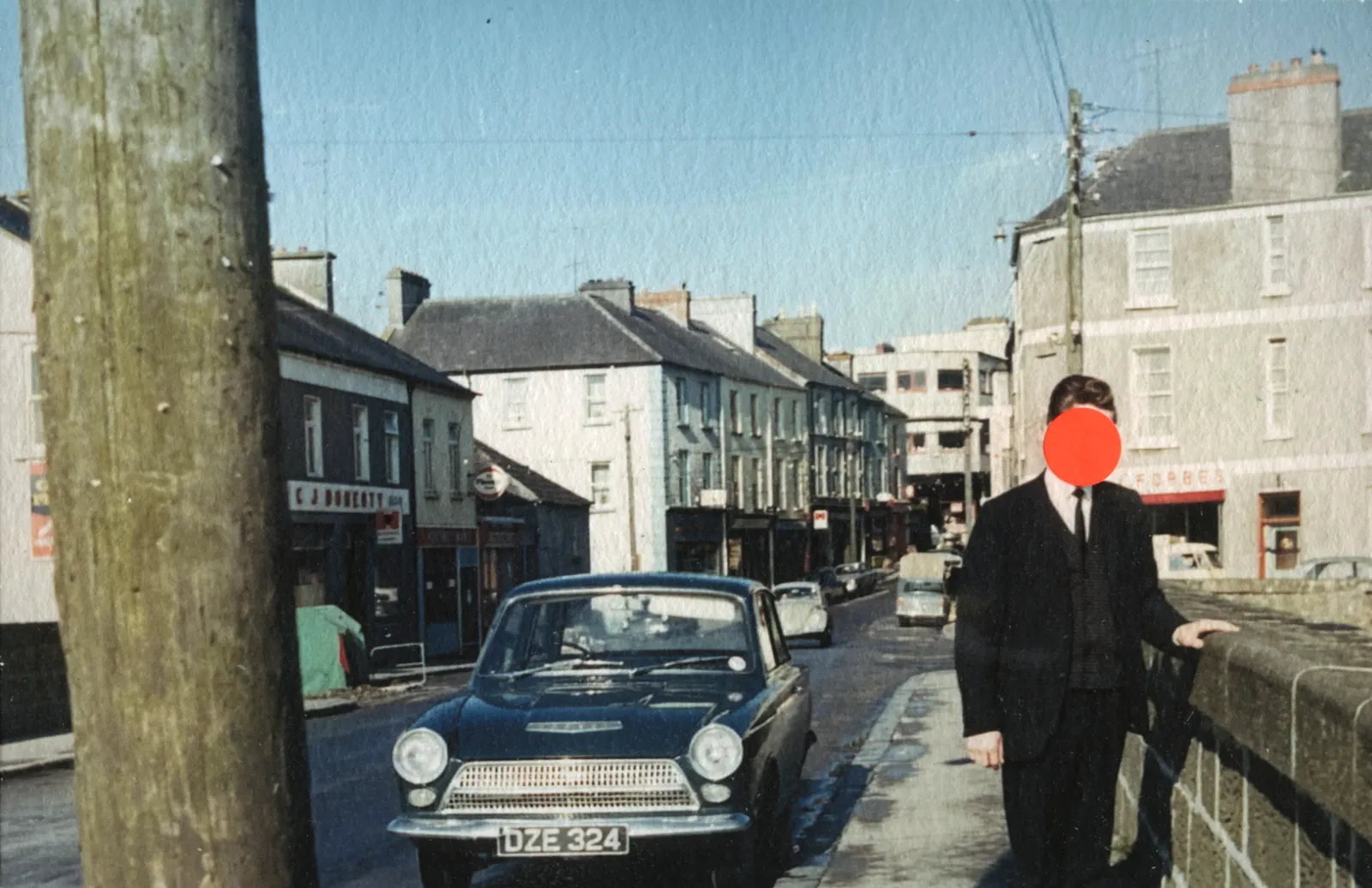
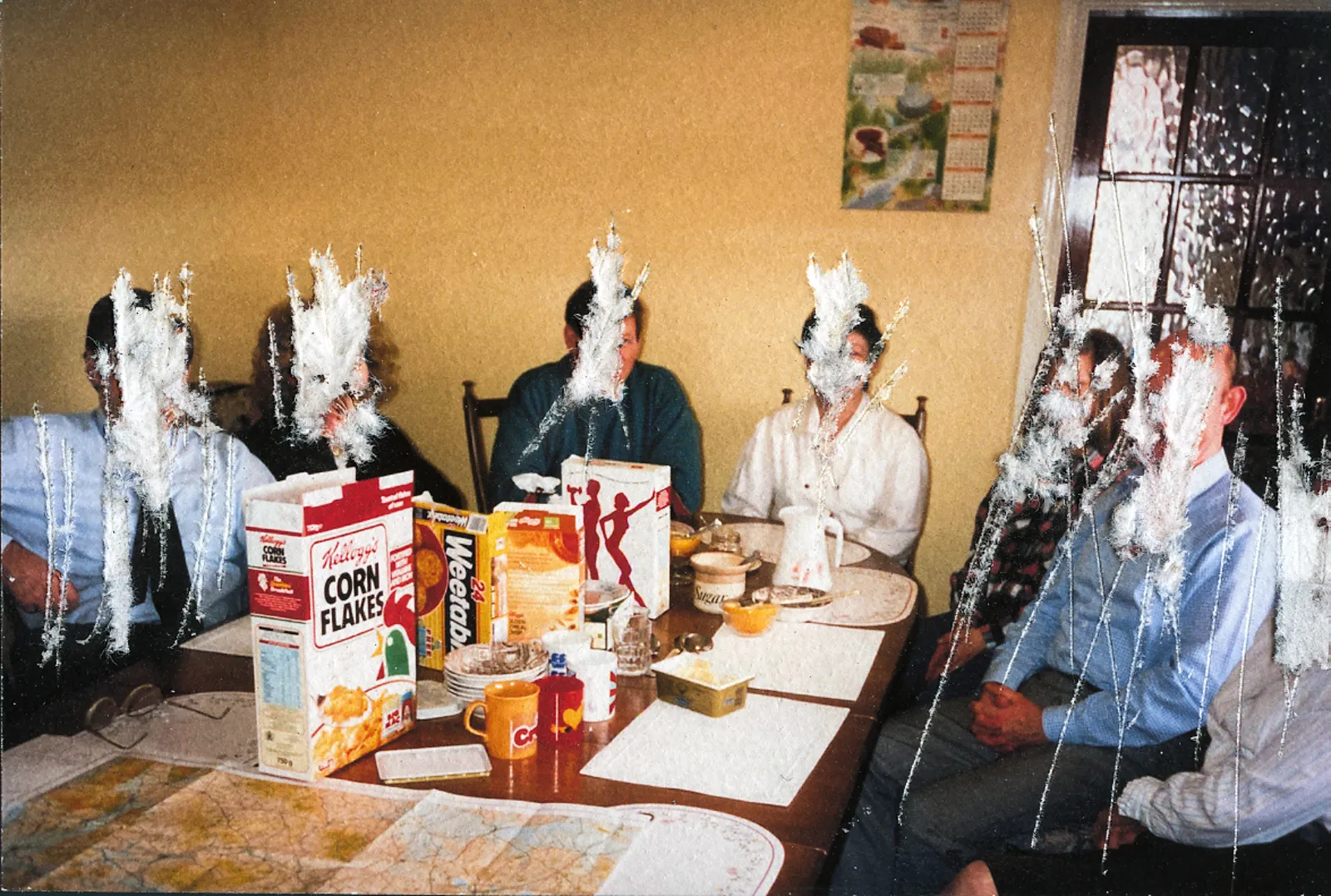
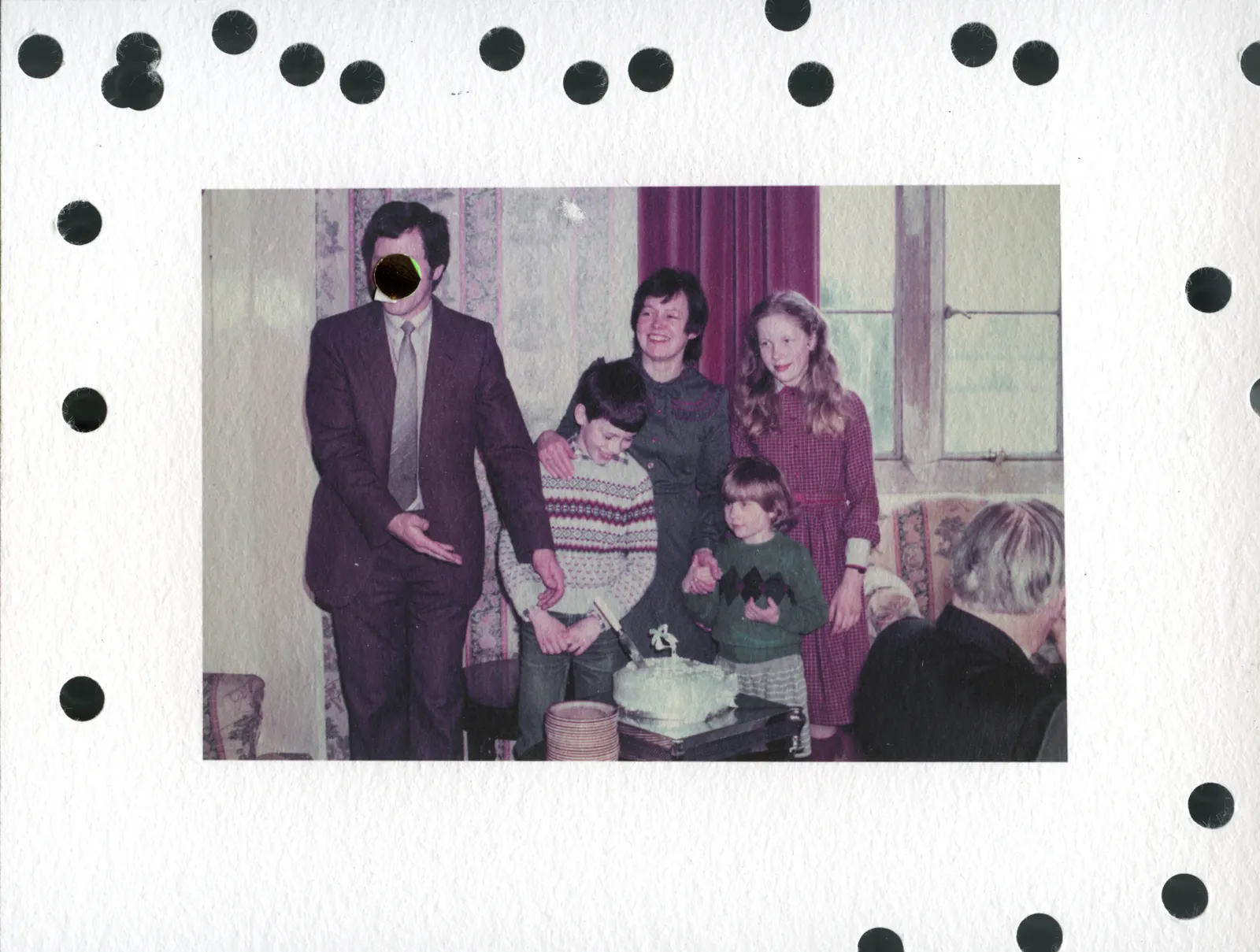
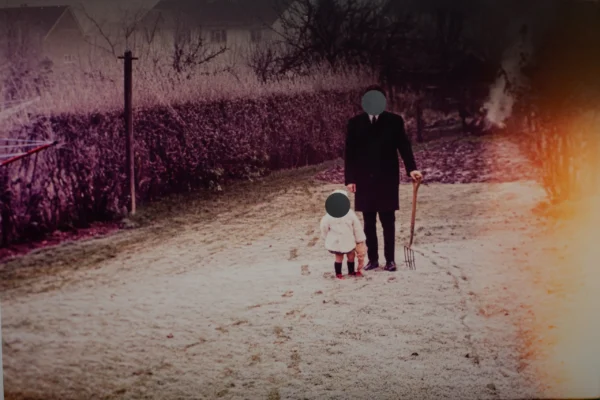
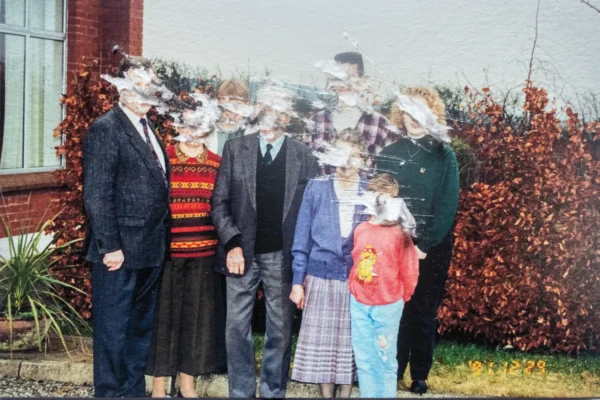
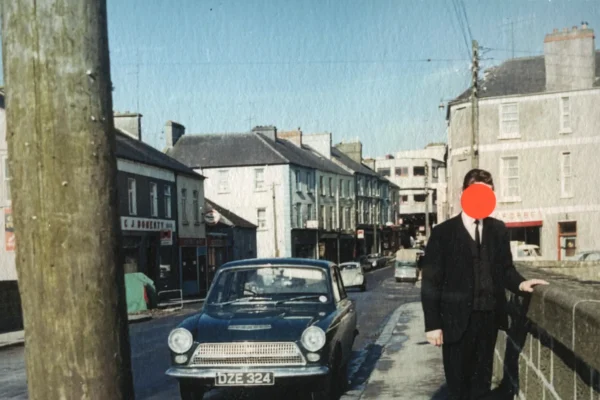
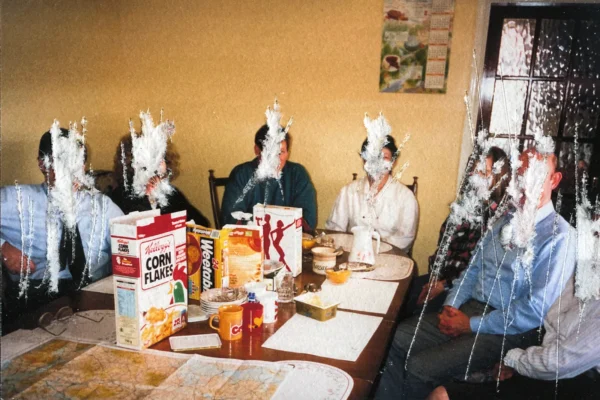
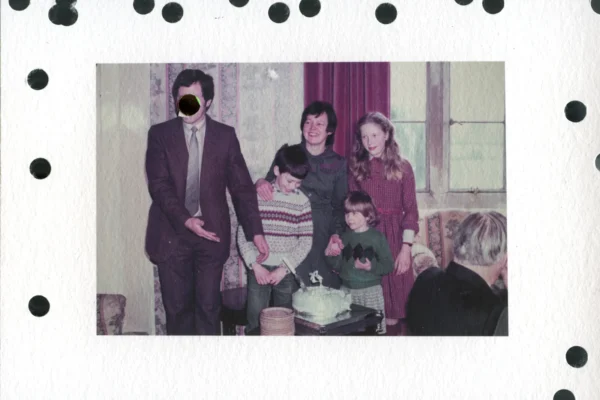
At the core of Age is a Privilege, Unless You Forget!, Castro considers the life of her father Charles, and elements of it that she was previously unaware of before he was diagnosed with Alzheimer’s eleven years ago, such as his penchant for photography and documenting moments in his everyday life, from site visits for his role as agricultural trader to family holidays and birthday parties. The artist and the father are united by a unique way of seeing and representing the world. Connecting their individual practices, they found a kind of common ground and Castro was inspired to not only scan and print the father’s images, but to manipulate and develop them further on the basis of recorded conversations with him in which she identified people, places, and objects that he has completely forgotten; remembering them vaguely but within different contexts; or can fully recall, including his wife Hazel.
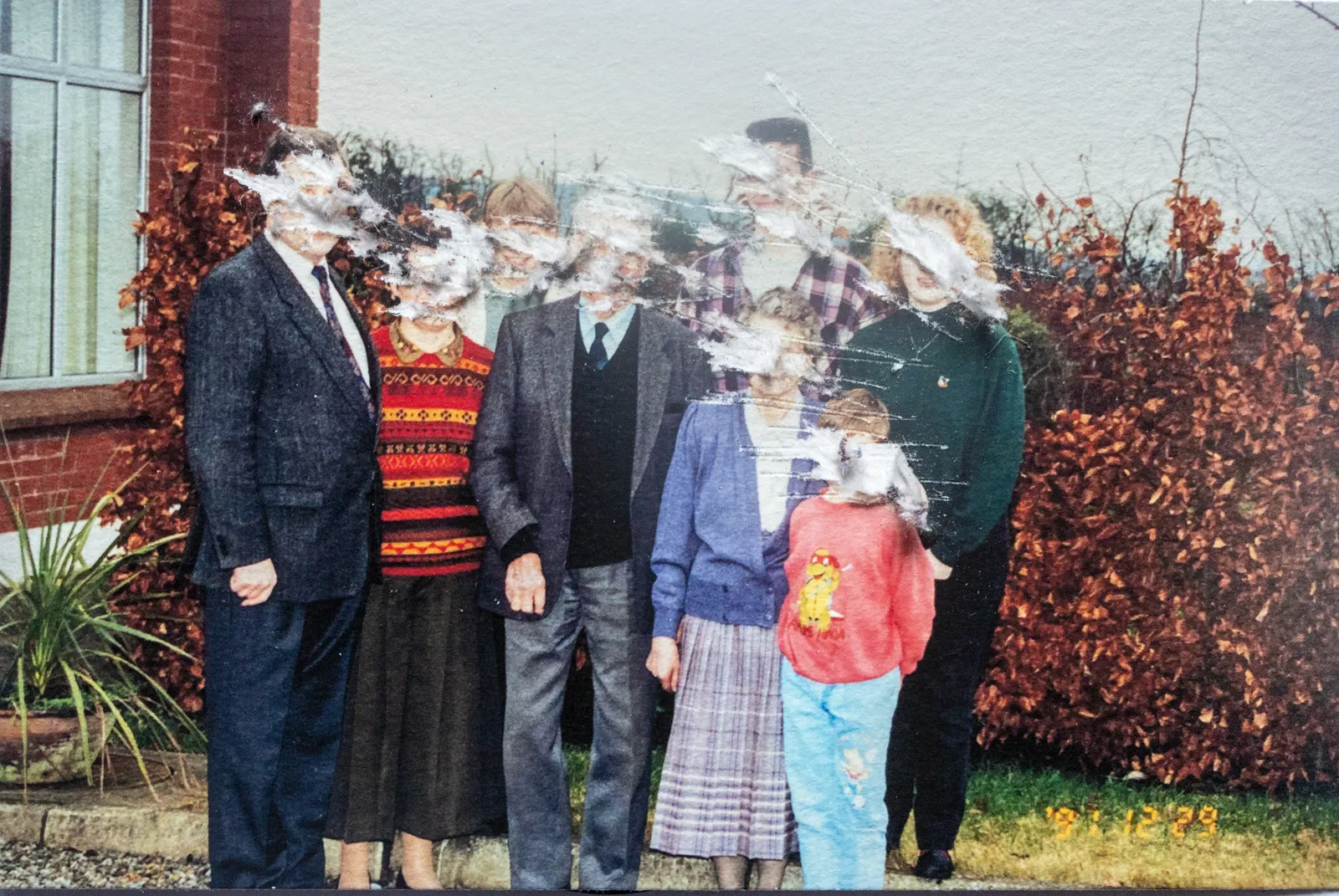
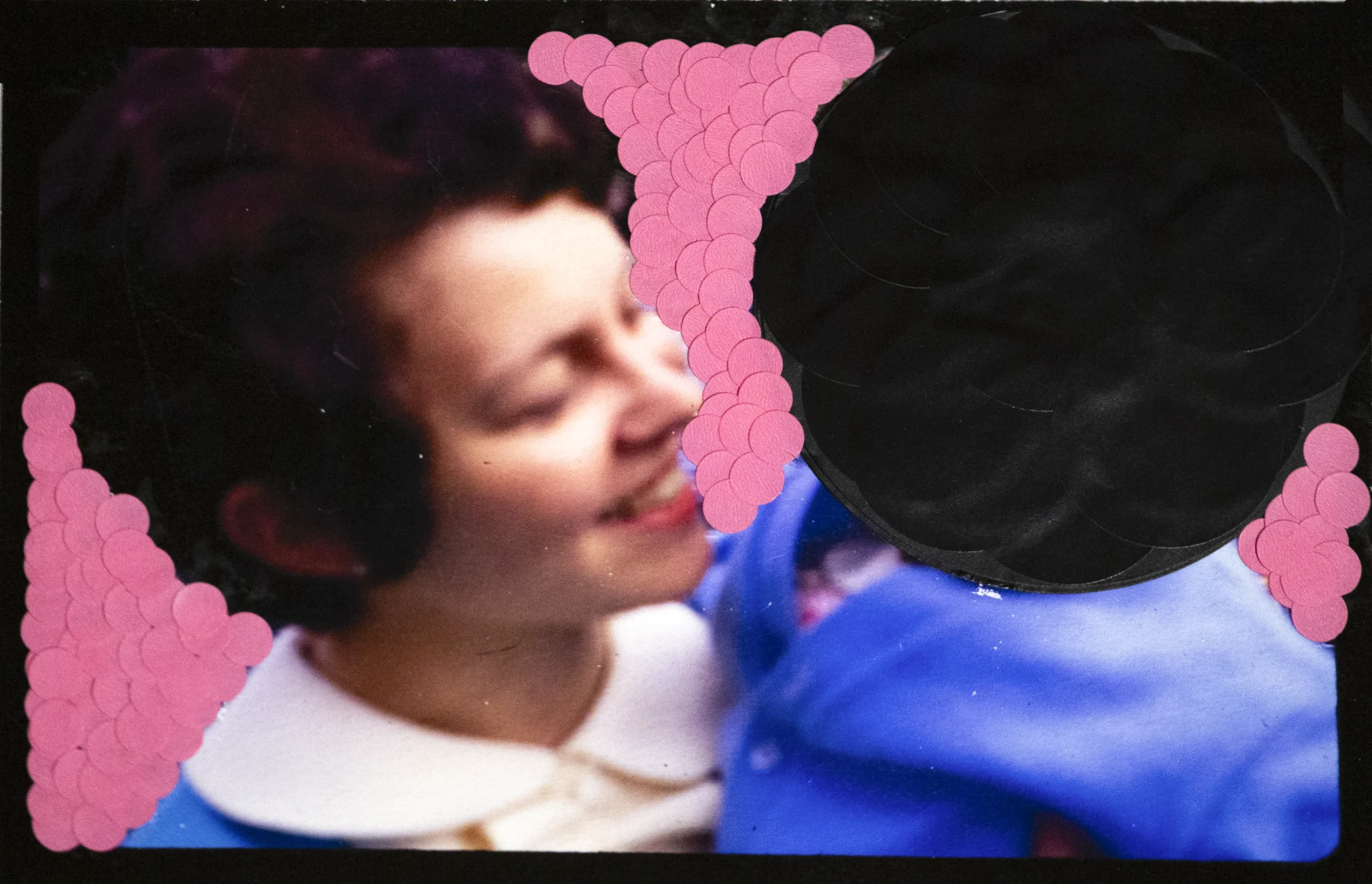
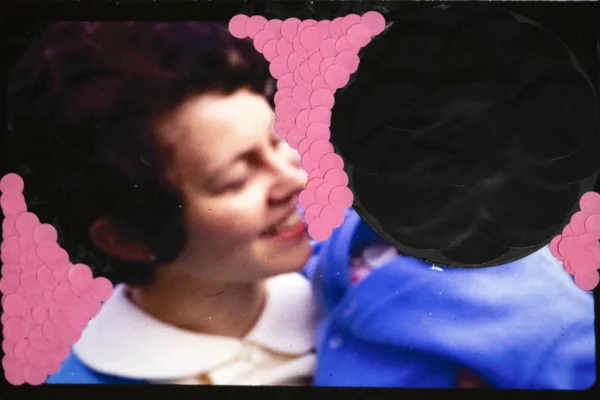
Through processes of cutting, scraping, and the use of stickers to intervene with her father’s photographs, Castro is seeking to depict both the decline of his cognitive health and the physical approach she has adopted to grieve her father while he is still alive. In this project, the recurring use of stickers is intended to represent the loss of her father’s memory, while each sticker underscores the extent to which he has forgotten a particular individual, setting or event. In this intimate examination, Castro manipulates these photographs based on conversations with him, where stickers are strategically placed over details he no longer remembers. The use of stickers is twofold: visually, they symbolise the erasure and fragmentation of memory, and metaphorically, they represent the ‘stickiness’ of dementia—how certain memories linger while others slip away, akin to the unpredictable adhesiveness of a sticker. The colours of the stickers indicate the extent of his forgetfulness, transforming these images into a tactile representation of memory loss and the physical manifestation of grief.
In the project, stickers are not just a creative tool; they are integral to conveying the complex emotions and realities of living with Alzheimer’s, making the intangible aspects of memory loss tangible and relatable. This enhances the closeness and intimacy of the viewing experience. When viewing these sliced, scraped, and crumpled images, viewers get the sense of the artist’s pain, as well as gain an insight into the disorder and displacement of the memories of those with dementia.
If one were to combine the artist’s photographs with those of her father, it is quite possible that viewers would struggle to identify the image maker.
By illustrating the development of her father’s illness and giving his experience a physical form, this project invites others to gain a profound insight into the loss of memory. The personal becomes universal. Viewers are immersed in the life of the man, father and business owner, Charles Wynne–his work, his travels, his family–and his daughter’s experience of living and coping with his illness. Simultaneously, they are faced with thoughts and memories of their own loved ones who may be enduring the effects of dementia or other illnesses. This project then becomes a way of learning, coping, and feeling one’s way through losing the parts of a person they once knew and how that person formerly understood them.
Age is a Privilege, Unless You Forget! engages viewers and invites them to find their own unique way of responding to the project, as well as experiences they may have of witnessing the decline in memory of people in their lives. It is through engagement with this project, in the form of exhibition and/or publication, that viewers will learn more about the artist’s experience and practice, as well as discover more about themselves.
The work stands as a poignant testament to the enduring power of personal history juxtaposed with the fragile nature of human memory. Through a deftly crafted blend of visual art and storytelling, this project delves into the effects of Alzheimer’s, using photography and mixed media to capture the slow erosion of memories.
The project invites a deeper understanding and empathy towards the complexities of memory loss, making it a profound exploration of human vulnerability and resilience.
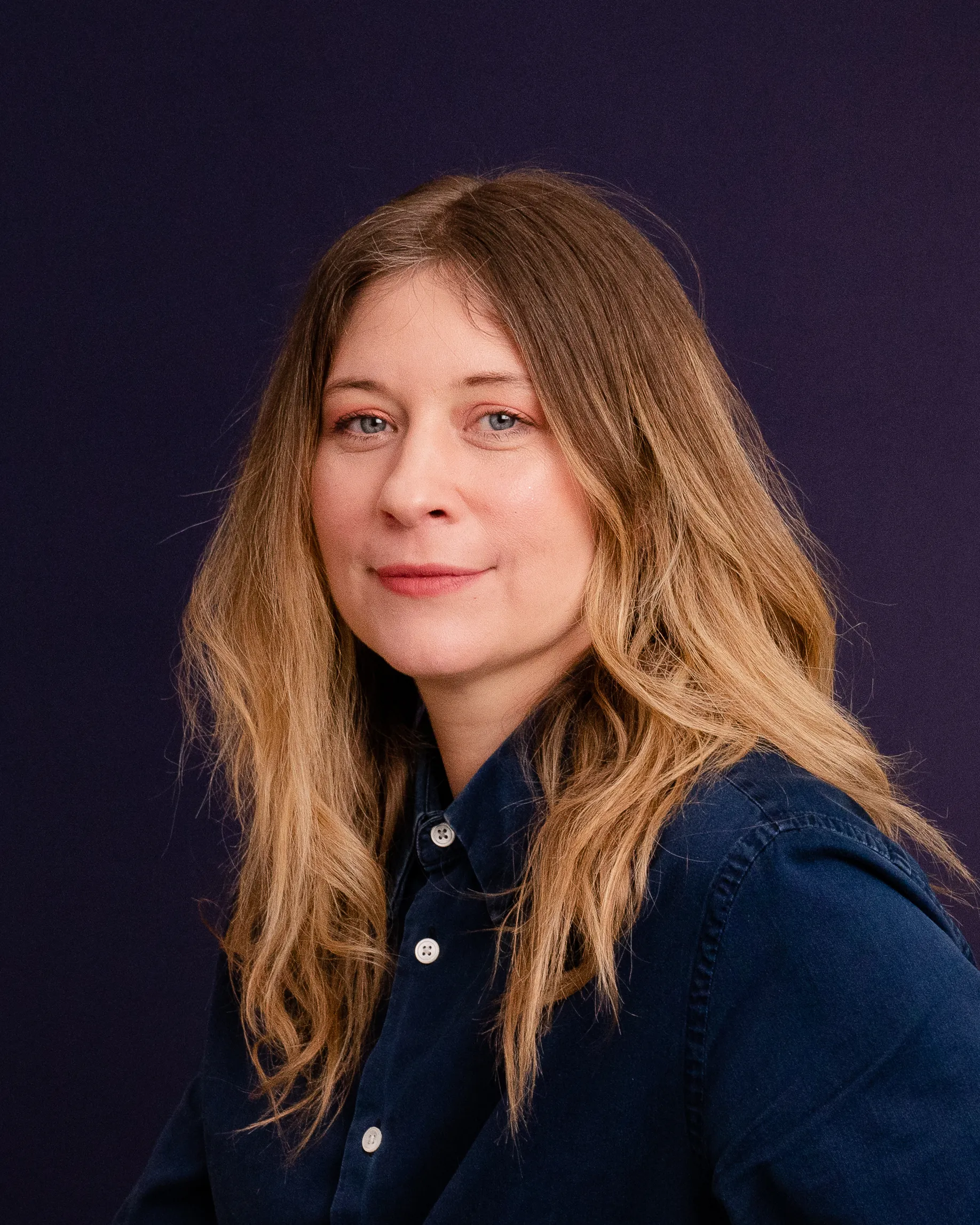
Debbie Castro
Debbie Castro is an Irish visual artist whose work delves into psychological portraiture, the death instinct, and the unconscious mind. Through photography, mixed media, and physical interventions, she explores the fragility of identity, the interplay between control and surrender, and the hidden narratives buried within the psyche.
Central to her practice is the act of cutting and altering imagery—a process that disrupts the surface to expose the unspoken, the repressed, and the instinctual. By slicing, scraping, and manipulating photographs, Castro strips away layers of representation, revealing psychological fractures and tensions that exist beneath the visible self. Her work questions how memory, identity, and perception are constructed and deconstructed over time, often suggesting an underlying destructive impulse tied to self-erasure and transformation.
Drawing from psychoanalytic theory, her images function as psychological landscapes, mapping the unconscious through abstraction, fragmentation, and material intervention. Whether working with found imagery, archival materials, or staged compositions, her process plays with the liminal space between presence and absence, exposure and concealment.
Castro’s work has been exhibited internationally, including at a solo show in the Royal Hibernian Academy, Dublin, Ireland. In 2024, she was selected for FUTURES Photography, a Creative Europe platform supporting emerging artists.
Her practice continues to challenge the boundaries of photography, materiality, and the unconscious, engaging viewers in a visceral confrontation with the unseen forces that shape human experience.
Debbie Castro, Age is a privilege, unless you forget!
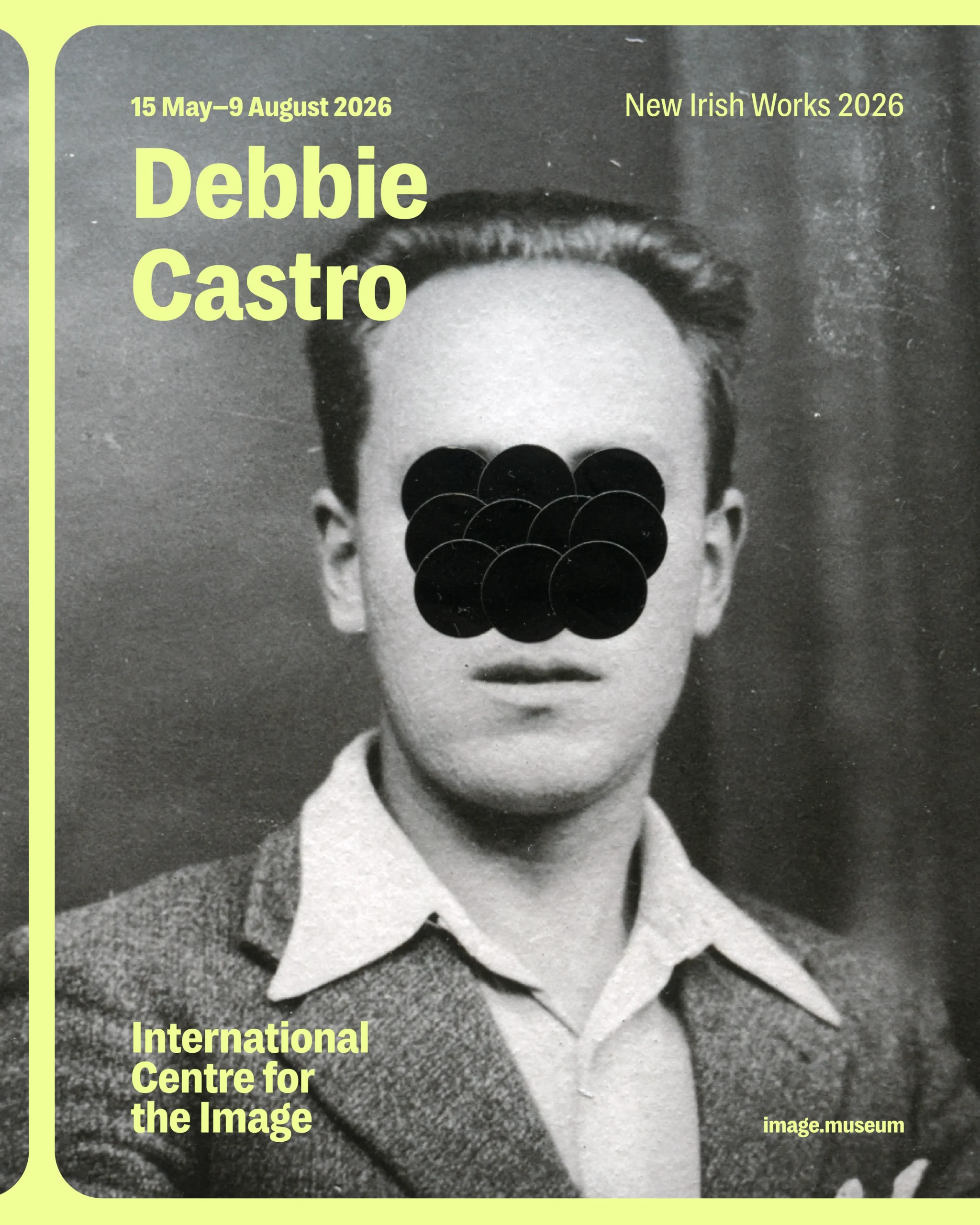
New Irish Works series 2025–27
Launch 6pm Thu 14 May 2026
Running 15 May–9 August 2026
At the International Centre for the Image